

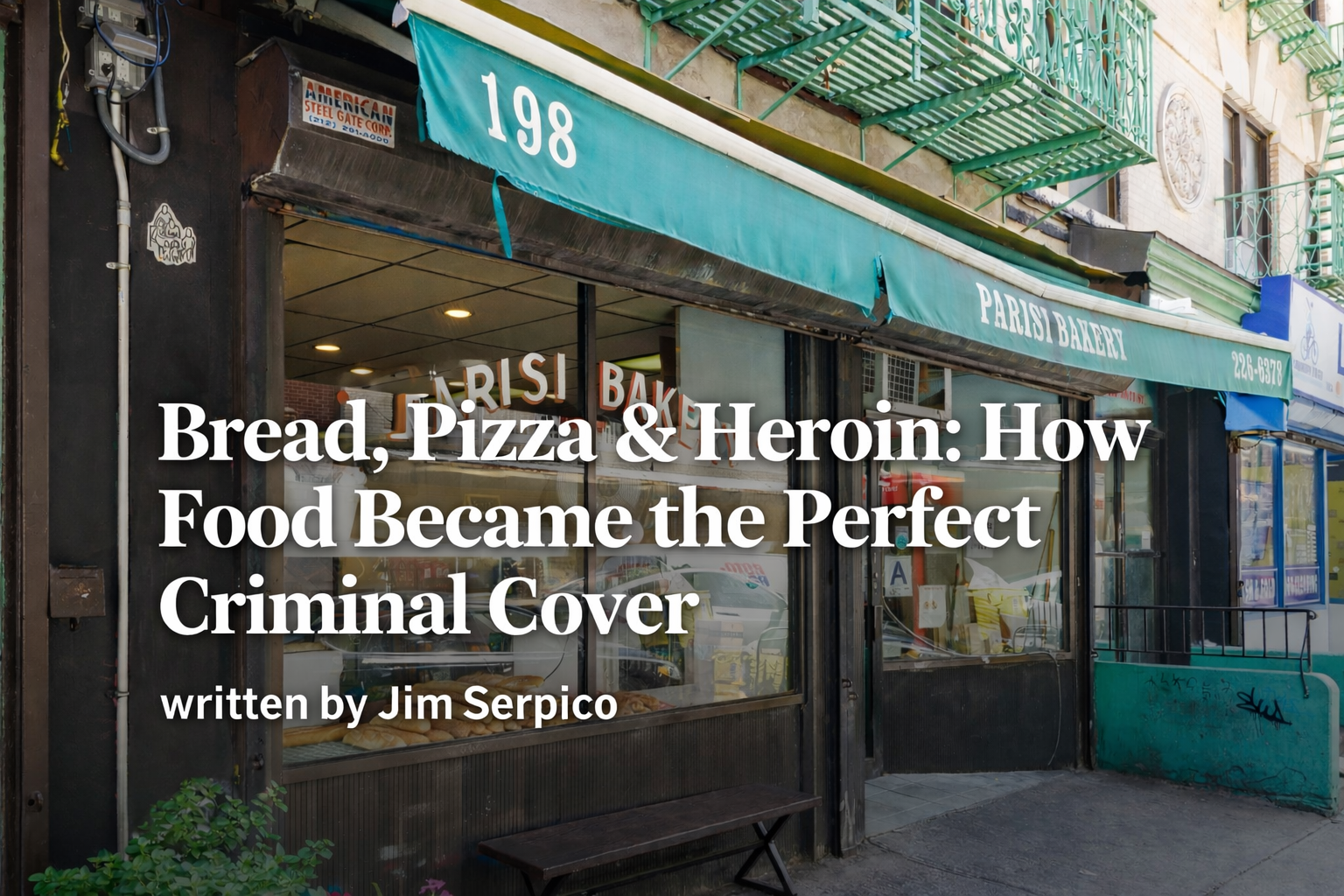
Frank Sinatra did not trust hotel bread.
Las Vegas had everything else. The lights. The money. The orchestras. The desert fantasy that you could become someone new every night. But it did not have his bread. So the story goes, every week, Sinatra had loaves flown in from Parisi Bakery on Mott Street. Wrapped tight. Put on a plane. Delivered across the country so a man who could have anything could still tear into the same crust he trusted back home.
You do not fly bread 2,500 miles for convenience.
You do it for feel.
Parisi’s bread had a crust that cracked when you squeezed it, then gave way cleanly. Not brittle. Not soft. Confident. The crumb stretched instead of falling apart. Mild sour. Faint sweetness. Bread that did not beg for attention but quietly took over the table.
I loved that bread so much that on my way to my production company office in Soho I would drive there for breakfast just to get a potato, ham, and eggs sandwich on a Sewer Cap, the nine-inch seeded round semolina loaf Parisi’s was known for. Salt and pepper. Ketchup if you were feeling dangerous. You carried that sandwich like a talisman. It felt like the city itself.
Sinatra liked places like that. Places that did not explain themselves.
Which is why, years later, when law enforcement walked through Parisi’s doors, it felt like the wrong movie.
When the Door Opened
It was early. The ovens were already on. They always were.
Steam clung to the air. Flour dust hovered like a memory. Long loaves cooled on racks, seams split open, still breathing. Bread was happening whether anyone liked it or not.
Then the warrants hit the counter.
No shouting. No guns. Just paper where bread usually lived. The bakery did not stop working. That is the detail people forget. Raids are not always loud. Sometimes they smell incredible.
Parisi’s was not reckless. It was representative.
Because for decades, bread bakeries and pizza joints were the perfect cover.
Why I Knew This Story Before I Ever Read It
I grew up around this world without ever being in it.
My father was a musician. In the 1980s, he worked as part of the house band at mafia catering halls in Brooklyn. Weddings. Christenings. Anniversaries. Nights where the food never stopped coming and nobody seemed to watch the clock.
I was too young to understand who everyone was, but old enough to notice patterns. The same men. The same rooms. The same unspoken rules. Nobody talked business. Nobody asked questions.
The food was always great.
I did not have language for it then. I do now. Legitimate businesses. Illegitimate money. Community on top. Complicity underneath. Food made it all feel normal.
Food Became The Perfect Cover
Bakeries explained everything.
Late nights. Cash. People coming and going. Trucks showing up when they should not. Men standing around doing nothing in particular.
Pizza joints were even better.
Phones ringing nonstop. Delivery drivers darting in and out. Chaos so constant it felt like weather. Registers that never quite made sense, but close enough that no one pushed.
This was not sloppiness. This was design.
The Shops That Fed Everyone, Including the Wrong People
On Long Island, Miceli Brothers Pizzeria, now known as MB Pizzeria, looked like any other neighborhood spot. A place for a familiar pie. Cheese that stretched. Sauce that leaned sweet and tangy. The kind of pizza that explains repeat customers without effort.
In 2012, police arrested the owner after a months-long investigation, charging him with selling oxycodone pills out of the restaurant. Undercover buys. Controlled substances. Court dates. The ovens stayed on. The name changed. The lesson lingered.
The pattern was not new.
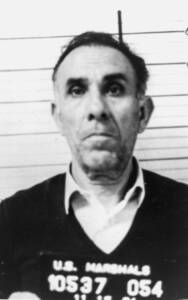
In Illinois, Alfano’s Pizza and Spaghetti Restaurant appeared in court records tied to the Pizza Connection case. The pizza was generous. Heavy on cheese. Sauce clinging like it meant it. Spaghetti drowned in red sauce designed to leave you full and satisfied.
Which turned out to be useful.
That case led to one of the largest narcotics prosecutions in U.S. history. Sicilian Mafia boss Gaetano Badalamenti received a 45-year sentence. Others got decades. Some never came home.
The food was real.
So were the consequences.
In Queens, investigators traced wiretaps to places like Al Dente Pizzeria. Thin slices. Crisp edges. Mozzarella melted into oil-slick pools. Sauce that tasted cooked, not raw. Balanced. Controlled.
Counter pizza. Eat-it-standing-up pizza. The kind that keeps you there longer than you planned.
Calls were made. Evidence was gathered. Convictions followed.
Brooklyn had Rosario and Joseph Gambino’s Father and Son Pizza chain. Big pies. Loud room. Crusts puffed with confidence. Bottoms marked by years of oven abuse. Grease down your wrist whether you liked it or not.
Family-run. Neighborhood-facing. Used as meeting points and money pass-throughs. Sentences stacked. Doors eventually closed.
Bakeries were no different.
Catalano Brothers Bakery sold thick-crusted loaves with aggressively browned exteriors and soft, oil-loving interiors. Bread built for prosciutto and no napkins.
It was also tied through ownership and investigation to Bonanno family figures later convicted in the Pizza Connection trial. Bread trucks and invoices on the surface. Federal time underneath.
Why the Food Had to Be Good
Here is the uncomfortable truth.
The food had to be great.
Bad food draws attention. Excellent food builds loyalty. Distracts. Comforts. It makes people stop asking questions.
The same discipline that makes great bread timing, repetition, and restraint made these places effective camouflage. You were too busy chewing to notice what else was happening.
Heroin did not hide behind bad food.
It hid behind excellent food.
Why I Wrote This
I wrote this because it combines things I am deeply familiar with. Baking bread. Growing up around charm and danger living in the same room. Complex, likable characters who feed you well, make you laugh, then quietly do something unforgivable and go back to dessert.
Those contradictions have fueled my entire career. They are why I have always been drawn to stories that live in the gray. Stories where comfort and corruption sit at the same table.
Which is why I believe this essay wants to be something more. Not a romanticized mob story, but an honest one. About food as camouflage. About trust as currency. About how good things can be used to hide bad ones.
I am openly hoping the non-scripted community sees that potential. This feels like a limited docuseries because the characters, the crimes, and the food all demand space. If there is a home for stories that balance warmth and menace, nostalgia and consequence, this one belongs on HBO Max.
What Is Left
I think about my father on those Brooklyn stages. Playing music. Watching rooms. Knowing more than he ever said.
I think about driving to Parisi’s for breakfast, holding that semolina sandwich like a good-luck charm on my way to work.
Bread and pizza were not villains. They were camouflage.
They looked like home.
They tasted like comfort.
They explained everything until they did not.
The ovens did not cause it.
But they made it easier to believe nothing bad was happening at all.
If this is your kind of thing, I post essays like this every Monday morning. If you or someone you know would want them dropped into yours, you can sign up here.
Sign Up